Delhi Police's Special CPs Successfully Choosing Style While Spectacularly Ruining Credibility
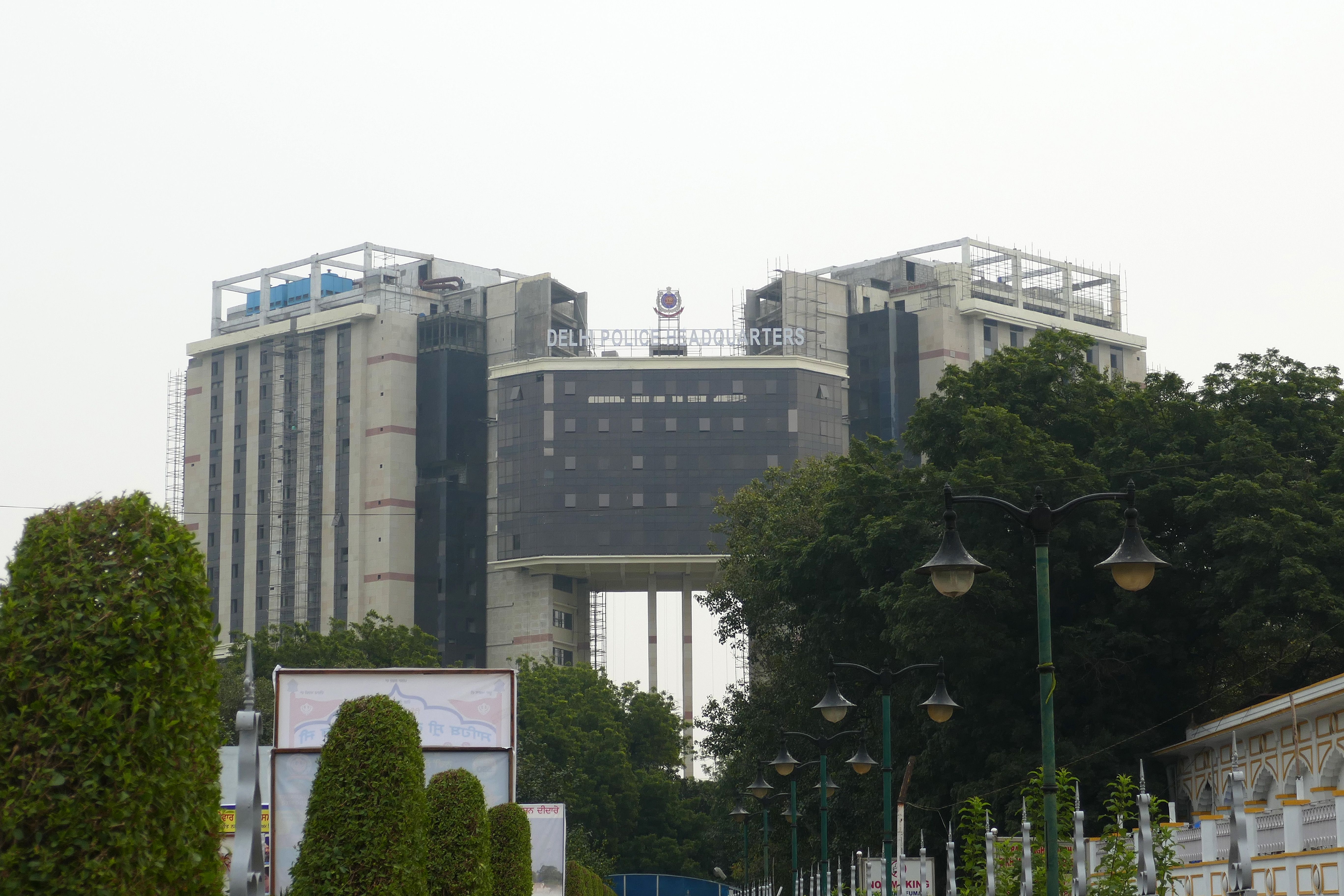
A surprising development in the Delhi Police headquarters has sparked debate about leadership priorities and professional standards. What appears to be a simple ceremonial display may reveal a more pressing issue: a Special CP has set up a hall of fame with portraits of former heads of the unit or division, according to a report. This level of institutional grandeur was traditionally reserved for the Delhi Police Commissioner alone. This departure from established protocol raises uncomfortable questions: Are we witnessing institutional pride or individual vanity?
The Traditional and Sober Professionalism
For decades, the system worked beautifully in its simplicity. Each office maintained a basic roll of officers—names, tenure dates. Professional, dignified, and focused on function rather than form. "These records served their purpose: institutional memory without institutional ego" a top source said. One top source in MHA puts it bluntly: "Rather than a professional display, it attracts more personal obsession."
The question isn't whether these officers have the right to commemorate their service—they absolutely do—but whether this actually reflects priorities or is required beyond the position of head of police force.
Average Special Commissioners
Strip away the polished portraits and ceremonial displays, and the performance data of Delhi's current Special Commissioner matrix reveals an uncomfortable truth. These aren't the operational titans their wall displays might suggest—they're largely ordinary officers with decidedly average track records.
The statistics are particularly damning when it comes to upward mobility. In the past ten or five years, how many UT cadre officers have ascended to genuinely prestigious operational positions like Director General of Central Armed Police Forces? The answer hovers somewhere between barely any and none at all, with Praveer Ranjan standing as the lone exception.
The UT cadre has increasingly become a pool for interim arrangements and less operationally demanding roles. While these officers craft elaborate displays celebrating their current positions, the broader law enforcement community and top brass of power corridors have quietly relegated them to the institutional equivalent of a "bench player" a top source said. "They lost their turf twice in recent years yet these Special CPs continues to chase flashy careers rather than building substantive expertise", top source added
The Sagging Credentinals
Many Special CPs are trapped in cycle of style over substance the reason as per top sources
First Is Internal War Rather than sharpening their operational capabilities, too many Special Commissioners have become consumed by office politics and internal rivalries.
Second is Comfort Zone addiction many Special CPs are liked to be glued to their seats The problem is that comfortable roles don't build the kind of operational expertise that leads to genuine career advancement, a top source said.
Third is Spin Over Substance- Chasing endless opportunities for media engagement, public appearances, and initiative launches where the result is a parade of surface-level initiatives that photograph well but deliver minimal lasting impact on the ground.
The Larger Message Beyond Decor
Dismissing this hall of fame controversy as mere vanity misses its broader significance, a top source said. When police leadership becomes more interested in crafting personal legacies than operational outcomes, it creates a cascading effect throughout the organization. The question that must be debated and pondered upon that has these Special CPs have given genuine thought over their own cadre operational progression and relevance as compared to growing relevance of other cadres over enhancing personal profiles and networks? True professional legacy isn't built through portrait galleries or ceremonial displays—it's earned through paying attention to fine print and operationally optimizing them.