Exclusive: Delhi Police Isn't the IB And Anurag Kumar Is Making a Serious Mistake
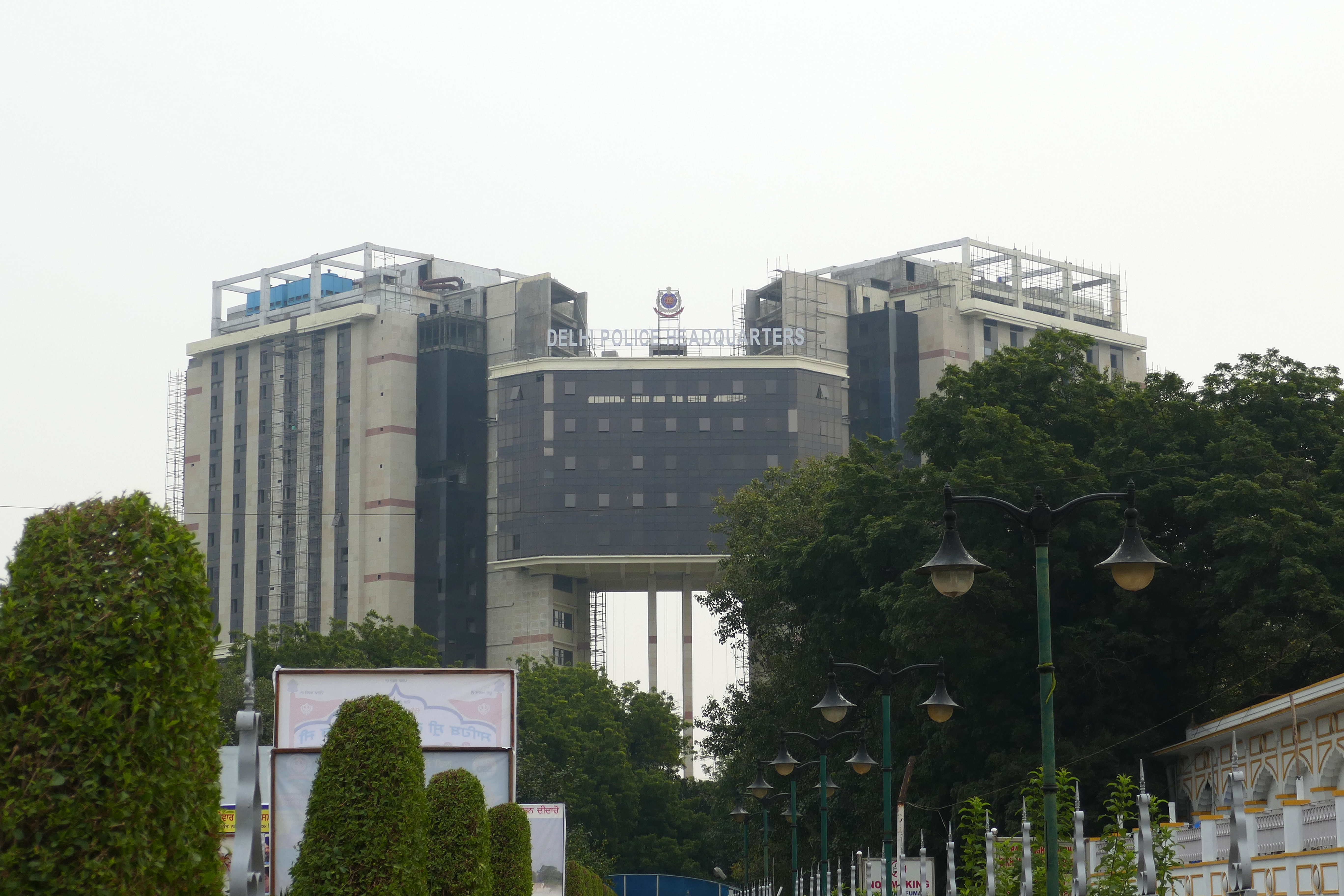
It has been nearly a month since Anurag Kumar took charge as Delhi's Police Commissioner, returning home after two decades inside the Intelligence Bureau. And if the first month is any indication, top sources say, he may be trying to run the capital force the same way he ran desks at the IB quietly, tightly, and on a need-to-know basis.
Top Sources describe a subtle but unmistakable compartmentalization taking root: a handful of trusted IB hands have reportedly been brought in, and a surveillance-style architecture is said to be forming, one designed less to fight crime than to keep the media at arm's length from the force.
That approach, sources point out, sits awkwardly against the Center's own decision or top priority. Active media engagement has been flagged as a top priority by the Prime Minister himself in a recent Secretaries' meeting, with the Cabinet Secretary separately pushing departments toward greater openness. A Commissioner apparently building walls instead of bridges
The Tag Team
The bigger story building inside Delhi Police Headquarters, sources say, isn't secrecy;it's a concentration of power. Kumar is said to be leaning heavily on one Special CP Law and Order for nearly every major decision. Officially, it's chalked up to a familiarization phase, reasonable enough for someone just back in the seat. But a month in, sources say the pattern looks less like onboarding and more like a duo consolidating full control of the Headquarters, replacing the decentralized command structure that virtually every previous Commissioner has relied on, top sources said.
The IB Myth
The buzz around Kumar's “IB return,” the idea that his intelligence pedigree would translate into sharper, more sophisticated policing, may already be losing its shine, and possibly backfiring. Security establishment sources are blunt about it: if Kumar believes IB's playbook can simply be transplanted onto Delhi Police, he's misreading the terrain. IB and Delhi Police are built on fundamentally different logics. Force one model onto the other, and you get strategic compression,a squeeze that doesn't just disrupt daily operations but also destabilizes the top ranks, who are used to autonomy and clear chains of command.
Top sources said that this isn't a blanket rejection of Kumar's IB instincts. Units like the Special Branch and Special Cell are natural fits for his intelligence background, but the danger lies in trying to redesign the entire command structure along IB lines, and, worse, tying that redesign to dependence on a single Special CP. That combination, top sources warn, is a recipe for a pressure cooker inside the force.
The Trust Deficit
Perhaps the most telling detail: the Ministry of Home Affairs reportedly reached out to a few Special CPs to gauge their willingness to work closely with Kumar, but was politely turned down. That's not a small signal. Top sources say MHA is watching the Commissioner's working style and the environment he's creating with unusual closeness, largely because Kumar wasn't the top pick for the post; he was, as sources put it, a circumstantial choice, not the ultimate one.
The read from the Ministry, for now, is patience: Kumar may need more time to earn full confidence at the top. But the underlying message is just as clear: MHA always has options.