
Exclusive: Delhi Police Kinetic Action Was A Necessity
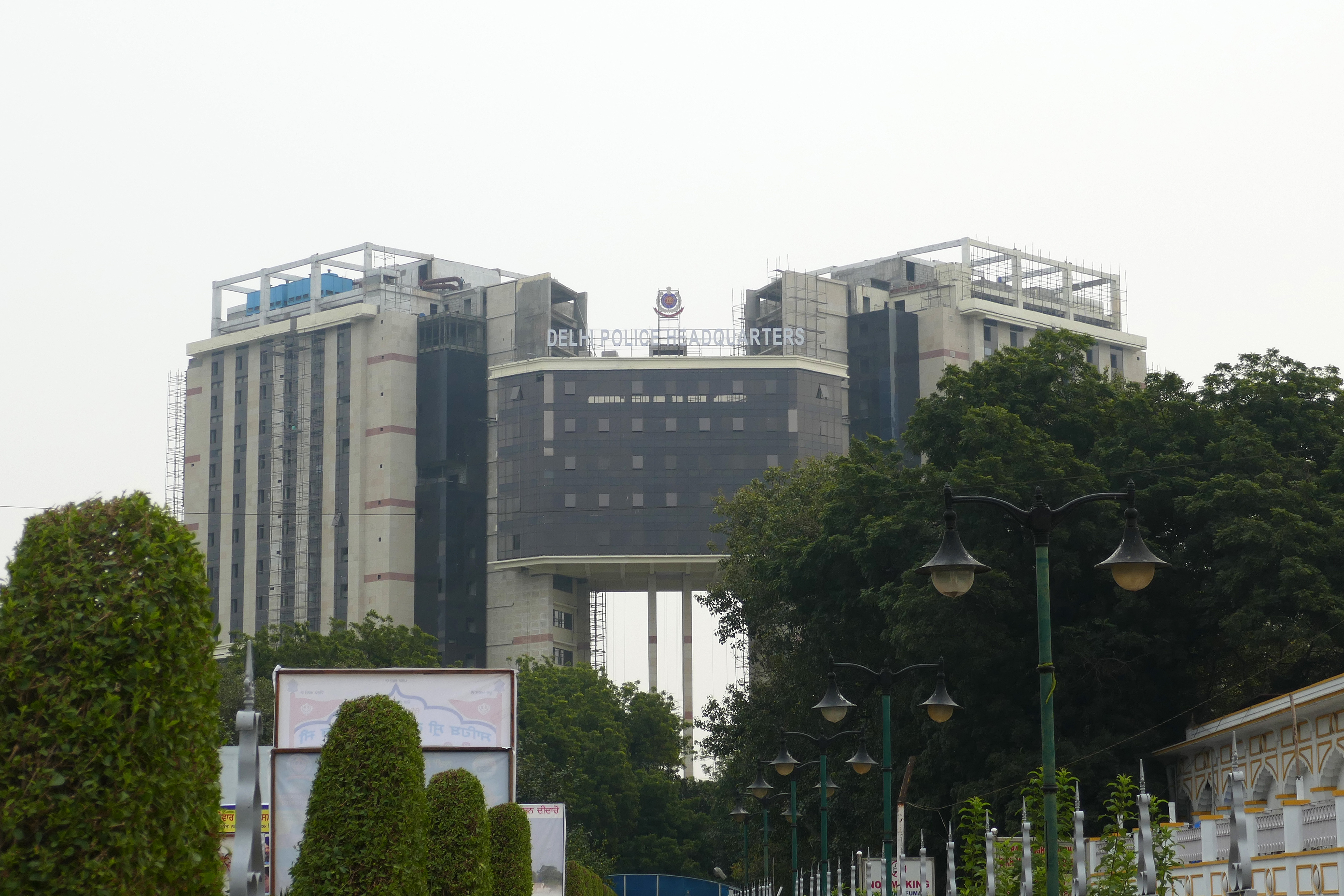
Delhi Police is under fire perhaps from all the quarters, the criticism has been relentless framed in the vocabulary of democracy, civil liberties, and the moral high ground. But strip away the performative outrage and a crucial question emerges: Is this criticism constructive, or is it simply frustration wearing the mask of principle?
Not a First Strike
Delhi Police did not walk into Jantar Mantar looking for a confrontation. Top sources said that the kinetic action was not pre-emptive, but it was a last resort. The initial strategy was containment and limited deterrence. A calibrated watch-and-hold approach designed to let the protest run its course within lawful boundaries, a top source said. The close, on-ground presence and monitoring at the police station by Delhi Police Commissioner Anurag himself was to ensure this strategy was executed, a top source added.
However, the situation on the ground shifted dangerously. Protesters swelled in numbers. The crowd's character grew increasingly aggressive. And critically, drones began appearing over restricted security zones, a top source said. "The kinetic action was a security response, not a knee-jerk reaction," a top source confirmed. The distinction matters enormously," a top source said.
Restraint Action
Even before the broader crackdown, Delhi Police demonstrated exactly the kind of disciplined, minimal-force approach it had committed to from day one. The removal of Sonam Wangchu was conducted at dawn, in three coordinated layers, completely swift and clean. This was not the conduct of a force drunk on power. It was the conduct of a force acutely aware of its responsibilities. The operation followed a Delhi High Court order, was anchored in genuine medical emergency protocols given Wangchuk's deteriorating condition, and was carried out with maximum restraint," a top source said.
The Tipping Point: Parliament Gate Was Metres Away
Aggressive protesters attempted to breach a high-security zone within metres of the Parliament Gate during an active session, with dignitaries and senior political leadership in and around the premises. This was no longer about a protest crossing a legal line which Delhi Police clearly established under Section 163 BNS through prohibitory orders " The principle of necessity, the governing doctrine for any legitimate use of force, was fully and unambiguously satisfied.
"Escalating to de-escalate" is a well-established security doctrine. Delhi Police deployed it precisely as the doctrine requires: proportionate force, applied at the critical threshold, to prevent a catastrophic breach," a top source added. Approximately 50 Delhi Police personnel were injured from stone pelting and physical assaults by protesters.
The core issues raised by protesters have already entered formal institutional processes. Channels are open. Engagement has happened. What the streets were witnessing in its later stages, top MHA sources suggest, was not a peaceful or ordinary protest but a coercive pressure campaign, amplified and sustained by outside interests with vested stakes in destabilisation. "The protest had no sustaining ground," a top source stated. "Their core issue was already under process. What was happening on the streets was an attempt to coerce and blackmail the state," a top source in MHA said. Delhi Police acted out of necessity. It acted with restraint for as long as restraint was viable. And when the line was crossed, it acted decisively.