Exclusive: MHA's Patience Test Puts CISF DG's Tenure on Edge?
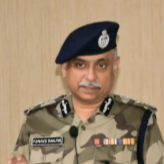
The Central Industrial Security Force is currently undergoing one of the biggest overhauls in its operational and structural power; however, top sources said that the CISF DG is struggling to move at the speed the Home Ministry wants.
MHA's confidence in CISF's mission isn't in question; its charter has genuinely widened. DG Praveer Ranjan himself laid out the force's "expanded functional sectors" on its 57th Raising Day this year: aviation, ports, industries, transport, coal mines, and strategic installations tied to atomic energy and space. Three new battalions are coming up, a top source said. However, the slow pace and institutional inertia are testing the patience of MHA, a top source added.
Wheels Are Grinding
The gap between ambition and execution is most stark at Tiruchirappalli (Trichy) International Airport. According to a report, the Bureau of Civil Aviation Security resurvey nearly doubled the sanctioned CISF strength needed there. It's become something of a case study in how sanctioned expansion on paper doesn't automatically translate into boots on the ground. Beyond staffing lag, the force's counter-drone rollout, while announced with fanfare, is still being phased in, a top source said.
Leadership Optics
Perhaps the most pointed signal came from outside CISF altogether. Being passed over for the Delhi CP chair after Sanjay Arora's retirement last year is being read by some insiders as an early signal that Ranjan hadn't fully won the top brass's confidence, even as he now sits atop a force the MHA wants transformed at pace. The message insiders are reading into it is that even Satish Golcha, once seen as the "safe" choice over Ranjan, didn't survive MHA's patience for long once the results didn't meet expectations, and he was never brought back as CP, even after Golcha's ouster.
The Bigger Comparison Problem
The unspoken benchmark is the rest of the CAPF family. CRPF, BSF, and ITBP have all notched visible, headline strategic expansions in recent years: modernized roles, higher-profile deployments, structural reforms. CISF's own promotion stagnation and blocked upward mobility for lower ranks, by contrast, are internal drags that don't make headlines but reportedly frustrate both the rank-and-file and the ministry watching from above.
Leadership Messaging
None of this means CISF isn't moving; the ₹889-crore infrastructure push, the drone/cyber pivot, and the manpower expansion are real and underway. The question sources are raising is one of tempo: whether execution on the ground, deployments, promotions, and tech readiness can match the scale of what MHA has sanctioned on paper.
Top sources said If the ministry showed the door to a sitting Delhi CP within a year of appointing him, and never restored him to that chair, the bar for a CISF DG seen as slow-walking a strategic mandate is unlikely to be any higher. Ranjan completes one year in the chair this October. Top sources said that unless the pace of deployment, promotions, and modernization visibly picks up in the coming weeks, MHA is unlikely to wait out his full tenure, and a change of guard at CISF's top post, along the lines of the Nitin Agarwal precedent, looks increasingly likely in the coming months, top sources said.