Exclusive: Outgoing IB Chief's SA Rashmi Sinha Likely To Return Back To Bengal?
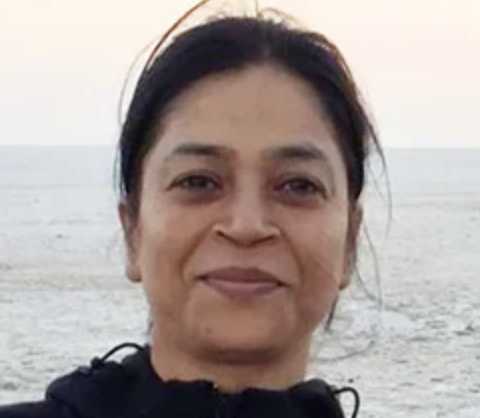
The end of Tapan Kumar Deka's era at the Intelligence Bureau, one of the longest tenures as IB Director in modern times, is set to trigger a quiet but consequential chain of events far beyond the corridors of New Delhi. Among the first dominoes to fall: Rashmi Sinha, IPS (West Bengal cadre, 1996 batch), who served as Special Assistant (SA) to the outgoing IB Director, is now widely expected to be repatriated back to her home state. And if the sources are to be believed, her return couldn't be better timed.
The IB Hand at Bengal's Helm
The bigger strategic picture coming into focus is the likely repositioning of Praveen Kumar, 1993-batch West Bengal cadre IPS officer and current DG, BSF, to take over as Director General of Police, West Bengal, with his BSF tenure set to conclude around October 2026. The message from the Centre appears clear: Bengal's policing ecosystem needs a structural reset and the right architecture to make it stick. This is precisely where Rashmi Sinha's return to Bengal becomes a critical piece of the puzzle.
With years of high-level exposure at the nerve centre of India's domestic intelligence apparatus, Sinha carries credentials that few officers in Bengal's current hierarchy can match. Her experience in strategic communication, inter-agency coordination, and intelligence-level operations makes her a natural fit for West Bengal's evolving and increasingly complex security landscape, top sources said.
Need For Strong Leadership Command
Sources close to the matter describe Sinha as a top choice for a senior repositioning within the Bengal Police framework. Her repartition, combined with Praveen Kumar's anticipated arrival at the top, would effectively create a potent intelligence-policing fusion, an axis capable of driving the kind of systemic reform that Bengal's security establishment urgently needs, top sources add.
"The security and policing culture needs a good clean-up, more security-aligned, more administratively aligned, thereby ensuring effective and strategic policing in Bengal without fear or pressure," a top source said. The mid- to high-ranking female officer corps in the Bengal Police, with notable exceptions, remains, in the words of insiders, "at a divided street," covertly aligned in sentiment with the political establishment of the previous dispensation. This real ty presents both a challenge and an opportunity. Damayanti Sen, Sinha's 1996-batch batchmate and a celebrated investigator who the Mamata government infamously sidelined following the high-profile Park Street case, has already begun her comeback.
The Hardcore Problem
Rashmi Sinha is not merely on routine central deputation. She is Additional Director level(AD-X) officer formally inducted into the 'hardcore' of the Intelligence Bureau. an elite, permanent inner sanctum of the IB from which, under normal circumstances, officers simply do not return. The IPS Tenure Policy is unambiguous on this point. Paragraph 6.5 states plainly:
"An officer once inducted into the 'hardcore' would continue in IB and would not be repatriated to his/her parent State cadre." There are two ways this hardcore problem can be bypassed, given the strategic requirements in West Bengal.
First: According to top sources and the policy itself, it falls within two narrow but legally robust windows, and, crucially, Rashmi Sinha qualifies for both. Under Paragraph 6.9 of the IPS Tenure Policy, a hardcore IB officer may be allowed repatriation to the State cadre if she is promoted to the DGP level in the home State. Top sources confirm that Rashmi Sinha is approaching eligibility for DGP-level empanelment/promotion as per UPSC guidelines and could be included in the upcoming DGP panel in the coming months.
Second: Top sources further add that the IPS tenure policy also allows repatriation for "administrative reasons" of hardcore cadre officers of the IB back to the state. One prominent example was that of Haryana cadre IPS officer Mrs. Kala Ram Chandran, who was, in 2020, absorbed into the Intelligence Bureau's hardcore and later repatriated to the parent cadre on administrative grounds.
Top sources argue that West Bengal's current security environment fractured institutional loyalties, the urgent need for female leadership recalibration, and the impending restructuring of the state's entire policing apparatus constitutes exactly the kind of acute administrative necessity the policy envisioned. Sources close to the matter suggest that Sinha herself is most likely inclined to remain at the Centre. Yet, as some sources pointedly note, "When the government decides there is a strategic imperative, individual preference rarely settles the question." And the strategic imperative, by all accounts, is growing.