
Exclusive: Perception Change Requires Real Work, Not Rhetoric: Bihar Police Needs Serious Reset
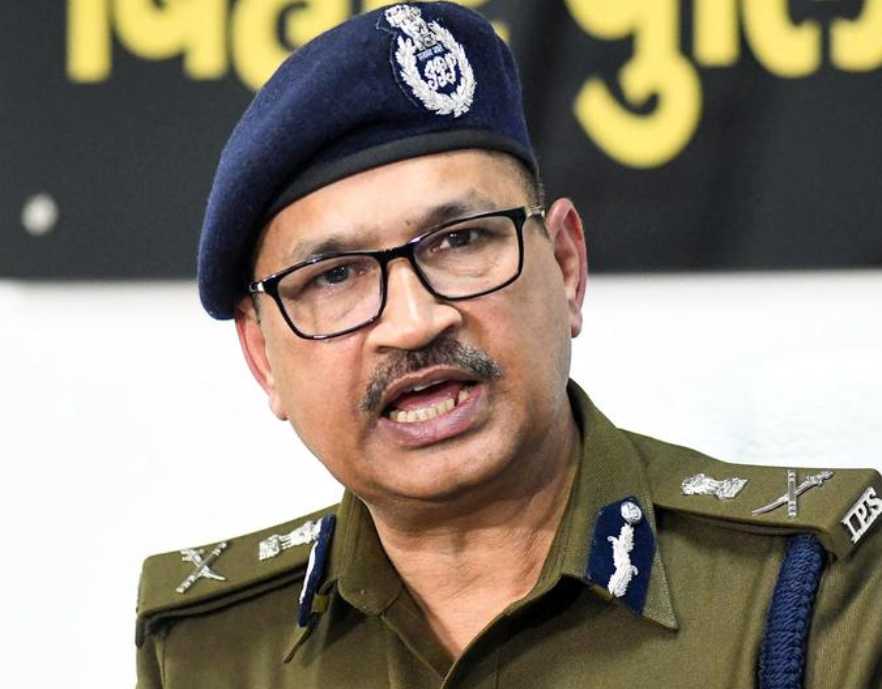
When UP Police DGP Rajiv Krishna recently appealed to the film industry to stop portraying the force as inept and unprofessional, the message was clear: cinema shapes public perception, and Bollywood's clichés of a bumbling, corrupt cop have done real damage. But according to top sources, such appeals, however well-intentioned, carry more rhetorical weight than substantive value. Perception doesn't shift because someone asks nicely for a rewrite. It shifts when the reality on the ground changes. And nowhere is that gap between image and reality more visible than in the Bihar Police.
The Root Problem: A Mentality, Not a Manpower Issue
Strip away the technology upgrades and modernization slogans, and the core problem in Bihar Police isn't resources; it's mindset. Top sources point to a deep-rooted institutional inertia coupled with a mediocre operational mentality. It's the singular thread running through nearly every structural failure the force faces, and it's precisely why even genuine progress, like a rise in arrests, doesn't translate into public trust or credibility, top sources said.
The effort isn't entirely absent. Bihar Police has rolled out drones, mobile forensics units, and other tech-driven initiatives, backed by a reported ₹190 crore modernization plan currently underway. But sources are blunt about the catch: without first fixing the underlying policing mentality and governance culture first, no amount of hardware will deliver lasting change.
Real Power Crises
Perhaps the most telling sign of institutional paralysis is Bihar's continued refusal or inability to implement the Commissionerate system, a reform recommended by top expert bodies, including the Soli Sorabjee Committee, and widely adopted as the national policing model. While UP Police has moved to introduce this very system, Bihar remains stuck.
Top sources point to something rarely said out loud: a turf war between the IAS and IPS lobbies, with IAS officers wielding disproportionate influence over their IPS counterparts in the state's power structure.
Political and middleman interference that dilutes accountability, followed by Bihar Police's own institutional inertia finishing the job. The result, sources say, is a force where even well-designed plans get executed “half-heartedly or just for the sake of formality.” Adding to this is a less-discussed but telling issue: a persistent obsession within Bihar Police leadership to divert force personnel toward non-essential duties,pulling manpower away from core policing functions and toward tasks that serve optics, top source said
The top source said that none of these issues exist in isolation. Ordinary policing bottlenecks, accountability gaps, corruption, and slow tech integration are troubling on their own. But in Bihar, they're being compounded by a deeper institutional and power crisis operating both within the force and from outside it.
The perception problem facing Bihar Police is real, but perception is a downstream effect. What's needed, as top sources put it, is surgical institutional intervention: a resetting of the policing mentality, a resolution of the IAS-IPS power imbalance, the political will to implement structural reforms such as the Commissionerate system, and a serious reprioritization of what officers actually spend their time doing. Reform succeeds or fails on institutional and political will, not on paper, or on ambition alone.