
Exclusive: What Went Wrong With Golcha: The Blind Eye That Cost Him Everything
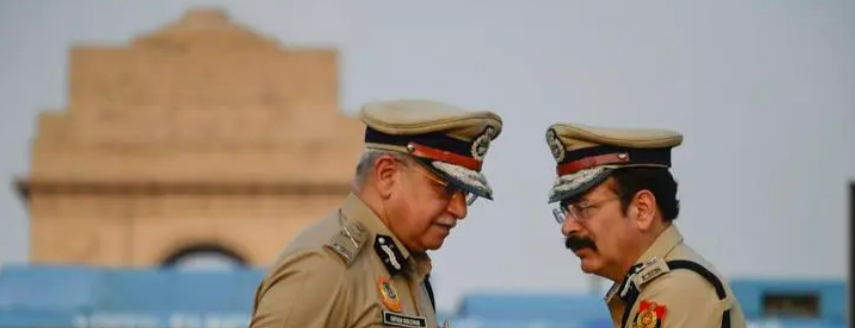
Short of completing nearly a year in office, Delhi Police Commissioner Satish Golcha was shown the door, and almost no one saw it coming publicly. But behind the walls of MHA, the writing had been on the wall for a while. The Ministry of Home Affairs moved swiftly on July 17, 2026, appointing 1994-batch IPS officer Anurag Kumar as the new Delhi Police Commissioner. Golcha, who had taken charge in August 2025. The question everyone is asking: What really went wrong?
The Anticipation That Never Came
Top MHA sources make it clear this was not a knee-jerk reaction. The pressure had been building quietly, steadily, and for good reason. MHA had been closely monitoring the law-and-order situation in Delhi and expected something very specific: proactive, anticipatory action on security and other issues from Delhi Police's top brass, not reactive firefighting. That expectation, according to insiders, was repeatedly unmet. "Things were taken lightly. The necessity of law and order was not given due importance by the Law and Order Division, and not by the Commissioner himself."
The red flags surfaced in a crucial pre-Parliament Session exercise. Before every Parliamentary Session, a comprehensive security situation review is conducted, which is particularly significant this time, with BRICS just two months away. Top sources in the MHA described the updates and assessments submitted by Delhi Police as being of "low quality"
Blind Eye at the Top
While Golcha bears the weight of command responsibility, top sources are careful to point out that the rot ran deeper than just one man. The Special Commissioners of Police (Law & Order) are being held equally accountable. And the CP Secretariat, an office that should be the nerve centre of ground intelligence and coordination, had, in the words of insiders, effectively become a "paper factory." "More paperwork than groundwork. The systemic blind eye from top to bottom is what cost Delhi Police dearly."
According to top sources, the reshuffle is designed to cut the clutter, triggering serious structural changes within Delhi Police, particularly in how law and order is managed, reported, and anticipated.