Today's Witness - Tuesday, 16 June 2026 at 05:51 pm
| Android iOS |
bolt Breaking
Home chevron_right Official File Se chevron_right 'Spiritual Outlook Of Policing Helps Me To Stay Calm During Crises And Bring Strategic Clarity': Soumya Sambasivan IPS
'Spiritual Outlook Of Policing Helps Me To Stay Calm During Crises And Bring Strategic Clarity': Soumya Sambasivan IPS
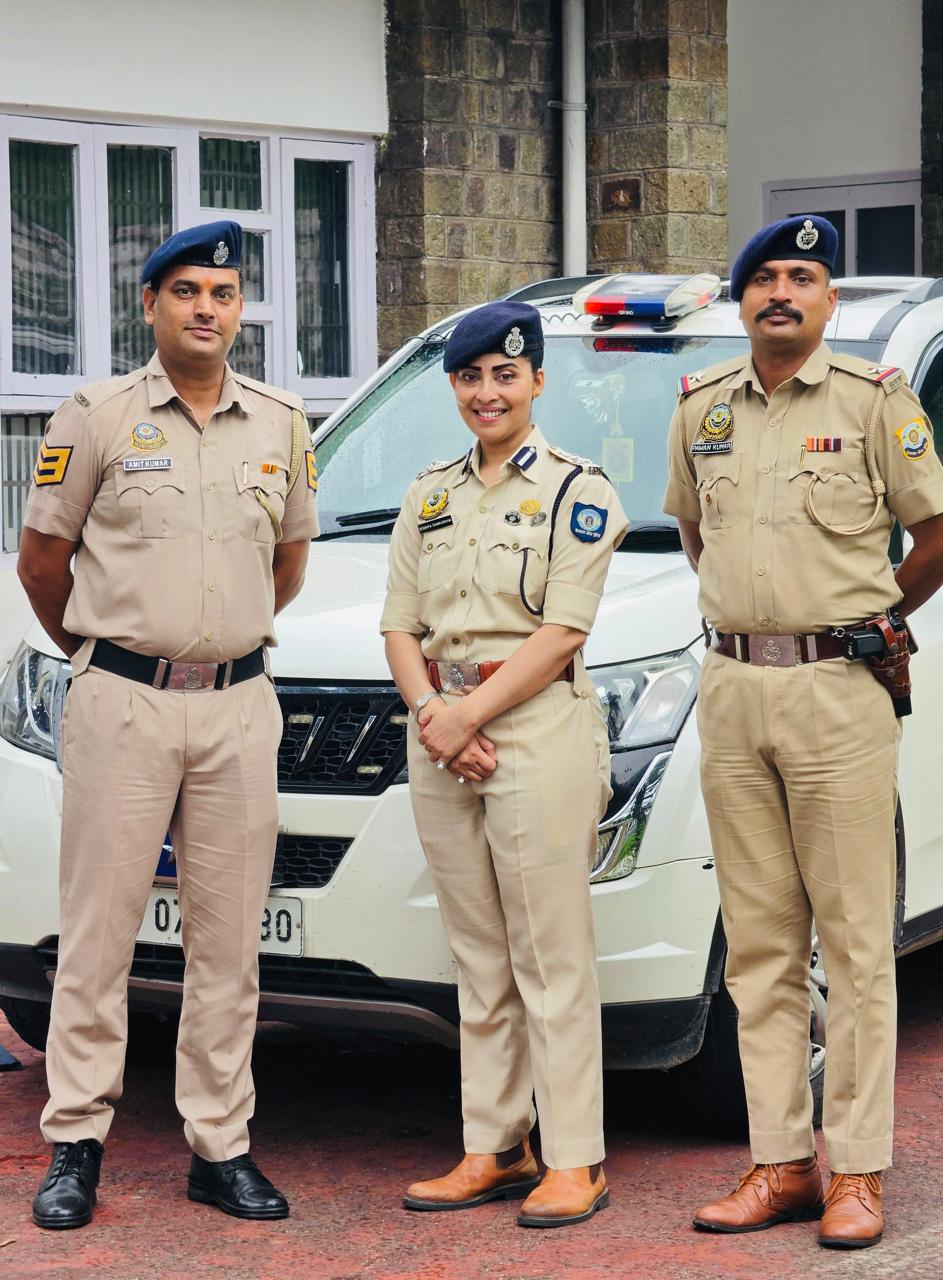
MS. SOUMYA SAMBASIVAN IPS, DIG (Northern Range) Dharmshala, Himachal Police

'Spiritual Outlook Of Policing Helps Me To Stay Calm During Crises And Bring Strategic Clarity': Soumya Sambasivan IPS

Policing in Himachal Pradesh has undergone a significant transformation over the past decade. Traditionally, our focus was primarily on maintaining law and order, investigating conventional crimes, and ensuring public safety. While these remain core responsibilities, today's policing environment is much more dynamic and technology-driven.

Also, the convergence of spirituality in policing helps not only bring strategic clarity to situations but also build the capacity to make more informed and right decisions during crises.


Verbatim Transcript

Witness In The Corridors : #Soumya Sambasivan IPS #IPS #MHA #Himachal Police

1-Having served across different ranges in Himachal, how would you describe the changing nature of policing challenges in Himachal Pradesh?

Ms. Soumya Sambsivan IPS :

Policing in Himachal Pradesh has undergone a significant transformation over the past decade. Traditionally, our focus was primarily on maintaining law and order, investigating conventional crimes, and ensuring public safety. While these remain core responsibilities, today's policing environment is much more dynamic and technology-driven.

We are witnessing an increase in cybercrime, organised drug trafficking, financial fraud, crimes against women and children, and road safety concerns. The rapid penetration of digital technology has expanded opportunities for criminals, making offences more sophisticated and often extending beyond geographical boundaries.

Another important challenge is balancing effective law enforcement with public expectations of transparency, accountability, and quick service delivery. Citizens today are more aware of their rights and expect prompt, professional, and citizen-centric policing.

In the Northern Range, we are emphasising intelligence-led policing, technological integration, capacity building of our personnel, inter-agency coordination, and community participation. Ultimately, modern policing is not just about responding to crime—it is about preventing crime, building trust, and working in partnership with society.

Witness In The Corridors :

2-Looking back at your career so far, is there a particular case, initiative, or reform that you feel has been especially meaningful or impactful?

Ms. Soumya Sambsivan IPS :

Every posting offers unique challenges and learning experiences, making it difficult to identify a single defining moment. However, I find the meaning in initiatives that create sustainable improvements in policing and strengthen public confidence. Community engagement programmes, improving the quality of investigations, enhancing police responsiveness, promoting gender-sensitive policing, and leveraging technology in policing have been particularly meaningful. These initiatives not only improve operational efficiency but also strengthen the relationship between the police and the community.

I firmly believe that the true measure of policing is not merely the number of cases solved, but the confidence citizens place in the police. Whenever our efforts help a vulnerable person, protect a child, support a victim, or prevent a crime through proactive policing, it reinforces the purpose of public service.

Witness In The Corridors :

3-You are known for connecting with young people, especially women, through initiatives like self-defence training. Could you share how you see community policing evolving in Himachal, and what more you'd like to achieve in this space?

Ms. Soumya Sambsivan IPS :

Community policing is one of the strongest pillars of effective policing. Police cannot work in isolation; public participation is essential for maintaining peace and preventing crime.

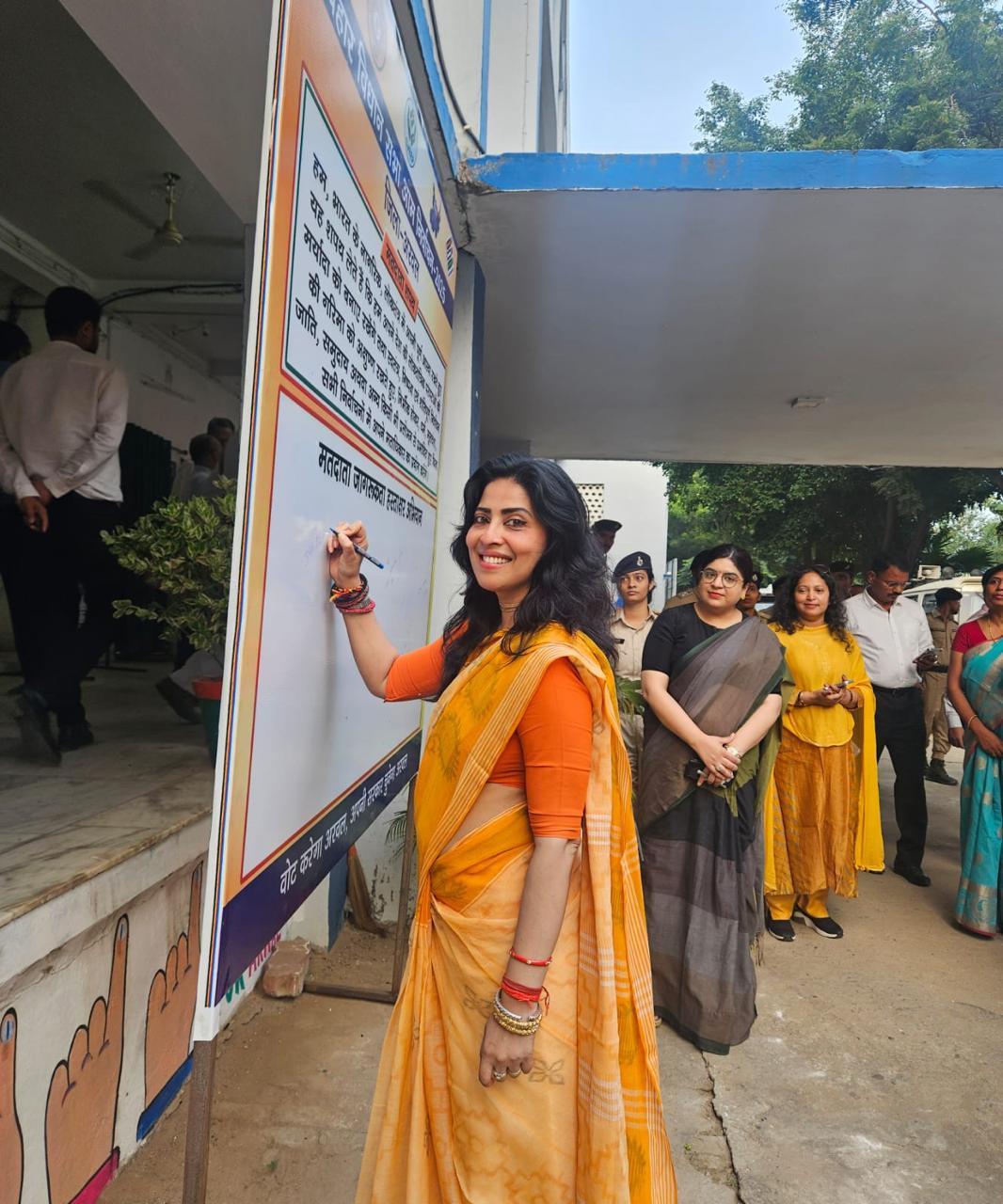
Our self-defence programmes for girls and women are not merely about teaching physical techniques—they are about building confidence, awareness, and resilience. Similarly, our outreach programmes in schools, colleges, and local communities help educate young people about cyber safety, drug abuse, road safety, and legal awareness.

Going forward, I visualise a stronger partnership between the police, educational institutions, local communities, civil society organisations, and parents. We also intend to expand youth engagement programmes, strengthen women's safety initiatives, encourage volunteer participation, and use digital platforms to connect with citizens more effectively. Our objective is to create a policing model where each citizen considers herself or himself a stakeholder in maintaining law and order.

Witness In The Corridors :

4-Drug trafficking and substance abuse, especially among youth, have become a growing concern in Himachal in recent years. How is the Northern Range tackling this challenge?

Ms. Soumya Sambsivan IPS :

Drug abuse is not merely a law enforcement issue—it is a serious social challenge that affects families, communities, and the future of our youth. Therefore, our strategy is comprehensive and operates on multiple fronts.

Firstly, we have intensified intelligence-based operations against drug traffickers, suppliers, and organised criminal networks. Our teams conduct sustained surveillance, interstate coordination, financial investigations, and strict enforcement under the NDPS Act. The anti-drug law has further strengthened by the notification of an SOP by Himachal Pradesh Police to take action against drug trafickers/pedlers under PIT NDPS, a pre-emptive action to deter and counter drug syndicate activities.

Secondly, we are focusing equally on prevention through awareness campaigns in schools, colleges, and local communities. We encourage citizens to share information confidentially and become active partners in this fight.

Thirdly, rehabilitation is equally important. Young individuals trapped in substance abuse require counselling, family support, and rehabilitation to reintegrate into society. Police alone cannot solve this issue; it requires coordinated efforts involving health departments, educational institutions, NGOs, parents, and the community.

Our message is clear—while drug traffickers will face strict legal action, every effort will also be made to protect and rehabilitate victims of addiction.

Witness In The Corridors :

With increasing digital penetration, cybercrime, from financial fraud to online harassment, seems to be rising even in a state like Himachal. What trends are you observing, and how prepared is the force to handle this evolving threat?

Ms. Soumya Sambsivan IPS :

Cybercrime has become one of the fastest-growing challenges in policing today. We are witnessing increasing cases of online financial fraud, phishing, digital arrest scams, investment frauds, identity theft, social media misuse, online harassment, and cyber-enabled crimes against women and children.

The biggest challenge is that cybercriminals often operate from different states or even outside the country, making investigation more complex.

To address this, Himachal Pradesh Police is continuously strengthening its cyber capabilities through specialized training, dedicated cyber police stations, digital forensic support, modern investigation tools, and close coordination with national agencies, financial institutions, and telecom service providers.

However, technology alone is not sufficient. Public awareness remains our strongest defence. 

We regularly advise citizens to verify suspicious calls, never share OTPs or banking credentials, avoid clicking unknown links, and report cyber fraud immediately through the National Cyber Crime Reporting Portal and helpline. In cyber policing, awareness and timely reporting are often the most effective preventive measures.

Witness In The Corridors :

You're known to have a deep inclination towards spirituality. Could you share how that personal practice influences your approach to leadership, decision-making, or even handling pressure?

Ms. Soumya Sambasivan IPS:

For me, spirituality is like gymming for the heart and mind, as it is not about rituals alone; it is about cultivating inner discipline, self-awareness, compassion, and balance. Policing is a demanding profession where officers routinely deal with difficult situations, human suffering, and high-pressure decisions. A spiritual outlook helps me remain calm during crises, make decisions with clarity and objectivity, and treat people with empathy while remaining firm in enforcing the law. 

It reminds me that every decision should be guided by integrity, fairness, and public interest rather than emotion or personal bias. Leadership, in my view, is about serving people, inspiring teams, and leading by example. When officers remain grounded, resilient, and emotionally balanced, they are better equipped to serve society with professionalism and compassion. Ultimately, policing is a service to society, and spirituality reinforces the values of humility, duty, accountability, and commitment to justice that are fundamental to that service.

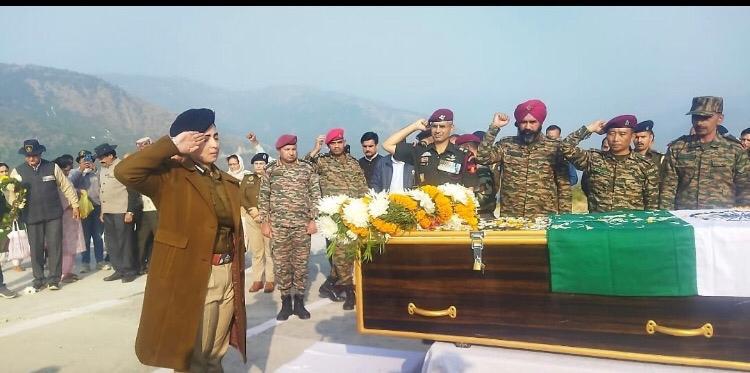
It’s finally about upholding righteousness or Dharma, which requires courage along with competence. And all religions hv tought us to be righteous and courage will follow. I draw a lot of strength from the Bhagwat Gita and the Holy Bible. Bhagwat Gita inspires me to march ahead in adversity, where the mind is without fear, and the head is held high, and the Holy Bible has guided me to be compassionate to people in pain and suffering, and to respect and revere the sacrifices made by legends.
search
WITC Logo Witness In The Corridors