NDMC Secretary Rahul Singh said the council is reshaping civic services through digital governance, environmental sustainability, and proactive administration. Most citizen services are now available online through the NDMC 311 app, allowing residents to pay utility bills, obtain certificates, book facilities, and file grievances without visiting municipal offices. Supported by an Integrated Command and Control Centre, complaints are routed automatically and monitored in real time, helping reduce average grievance resolution times from 7.7 days in 2023 to around 4 days in 2025.
Home
chevron_right
Official File Se
chevron_right
'NDMC Reshaping Its Civic Strategy To Make It More Inclusive and Technologically Advance': Rahul Sing IAS
RAHUL SINGH, IAS SECRETARY, NDMC
'NDMC Reshaping Its Civic Strategy To Make It More Inclusive and Technologically Advance': Rahul Sing IAS
Verbatim Transcript
Witness In The Corridors:
#NDMC
Delhi's civic needs have evolved rapidly over the past few years, from digital expectations to environmental concerns. How is NDMC adapting to these changes?
SH. RAHUL SINGH, IAS SECRETARY, NDMC:
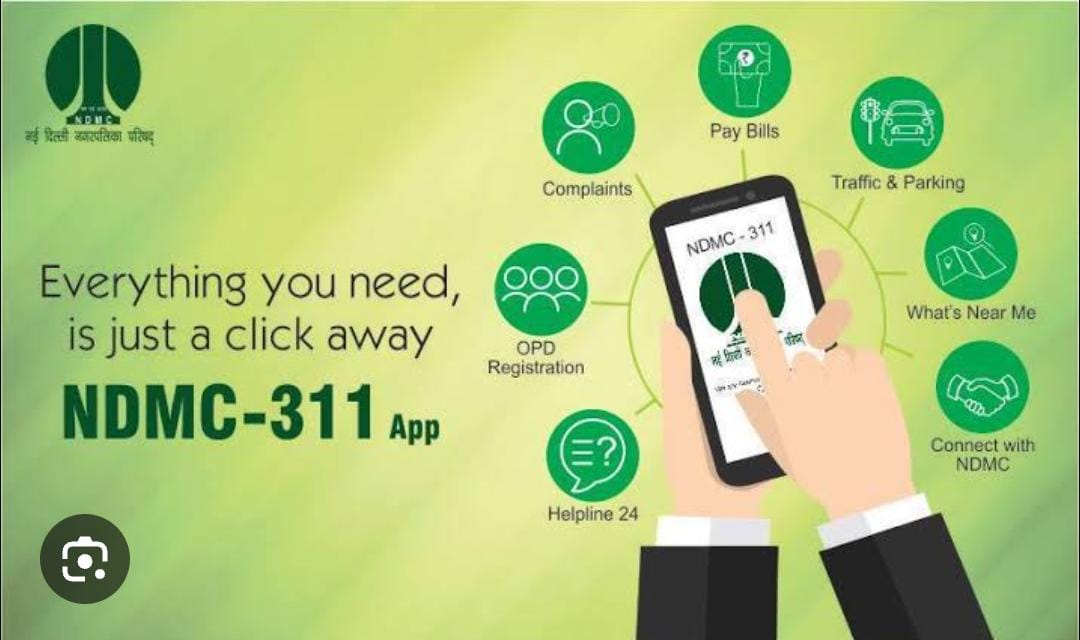
On the digital side, most services that once required a visit to an office are now available online. Through the NDMC 311 mobile app, a resident can raise a grievance, pay a utility bill, or download a birth or death certificate with a QR code from home. We have a state of art Integrated Command and Control Centre, where these services are monitored round the clock, which allows us to attend to many faults before a complaint is even filed.
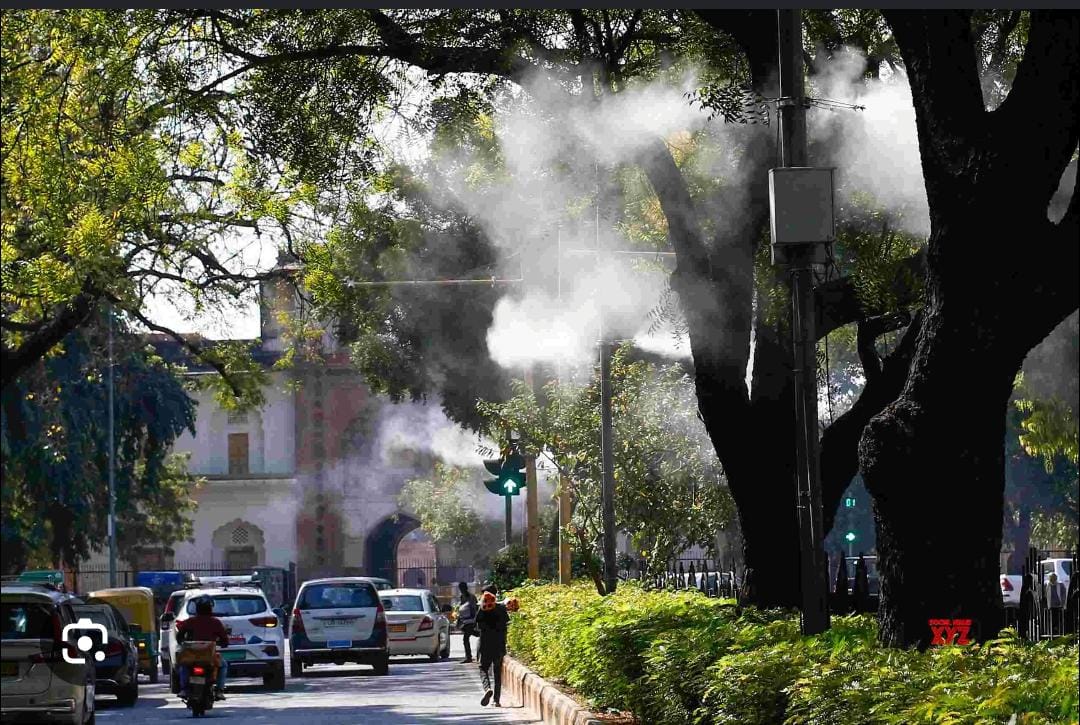
On the environmental side, NDMC has the highest green cover in the capital, about 48 percent against Delhi's 21 percent. We have also brought technology into environmental management. Sufficient number of anti-smog guns have been deployed to tackle high pollution, 9 mechanical road sweepers are being used, and construction and demolition waste is continually monitored through GPS. Every morning between 8 and 9 AM, senior officers are in the field to inspect cleanliness and supply of essential services. Wherever possible, we try to fix issues at the source rather than wait for citizens to report them.
Witness In The Corridors:
With services increasingly moving online through platforms like NDMC 311, how has technology changed the way citizens interact with the council, and what more do you plan to digitise in the coming years?
SH. RAHUL SINGH, IAS SECRETARY, NDMC:
#WITC NEWS
Technology has changed the relationship between the citizen and the council. Earlier, a resident often had to travel to an office, wait in line, and sometimes return a second time. Now most of that can be done from a phone. Through the NDMC 311 app, a citizen can book a Barat Ghar or a swimming slot, pay water and electricity bills, use e-Hospital services, and lodge a complaint. The complaint is routed automatically to the right officer based on location and type of issue, a photograph can be attached, and there is time-bound escalation if it is not resolved.
The average time to dispose of a grievance has come down from 7.7 days in 2023 to 6.8 days in 2024, and to about 4 days in 2025, while the disposal rate has stayed at 99.9 percent. Citizen facilitation centres have been reduced from five to two, standalone payment collection centres have been closed, and footfall at the remaining centres is down by more than half. Each of these changes saves the citizen time and adds to transparency and accountability.
We are also working actively to improve the citizen experience further. For this we have engaged BISAG-N, a Government of India IT organisation, to redevelop several of our online applications, including Birth & Death registration and Pet registration, to make them simpler, faster and more reliable to use.
This is part of a larger Integrated Online Digital Platform that will bring our core services onto a single system. The first phase covers pet registration, birth and death services, payroll and pension, and an AI and machine-learning enabled 311 app. The next phase extends to finance, procurement, budgeting and store management. Alongside this, a Unified Payment Gateway will make every online payment secure, standardised and auditable.
Our aim is straightforward: to make routine dealings with the Council quick and simple, so the citizen has to spend as little time on them as possible.
Witness In The Corridors:
Air quality and green cover remain top priorities for Delhi. What steps has NDMC taken and how far has NDMC achieved success in managing these priorities?
SH. RAHUL SINGH, IAS SECRETARY, NDMC:
1. Road Dust Management
Road dust is identified as one of the major contributors to particulate matter (PM) pollution. To reduce dust emissions, NDMC has implemented several measures:
- Deployment of 9 Mechanical Road Sweepers (MRS) covering approximately 380–400 km daily.
- Hiring of 4 CNG-operated MRS and deployment of 4 battery-operated ride-on sweepers.
- Scientific disposal of collected silt at the Okhla processing plant.
2. Dust Suppression Measures
The report highlights multiple dust control interventions:
- 30 Anti-Smog Guns deployed at construction and demolition sites.
- Additional anti-smog guns installed on NDMC and private high-rise buildings.
- 18 water tankers for tree washing and water sprinkling using treated STP water.
- Pressure jet machines for washing roads and footpaths.
- Installation of mist spray systems on electric poles across identified roads.
3. Construction and Demolition (C&D) Waste Management
Construction activities are recognized as another significant source of air pollution. NDMC has:
- Established daily collection and transportation of 25–30 MT of C&D waste to the Shastri Park recycling facility.
- Formed inspection teams to monitor construction sites.
- Registered 19 major projects on the DPCC portal for compliance monitoring.
4. Road Infrastructure Improvement
The report mentions that:
- 79 roads are undergoing resurfacing based on CRRI recommendations.
- Better road surfaces reduce dust generation and improve traffic movement.
5. Green Cover Enhancement
NDMC considers urban greenery a long-term pollution mitigation strategy. The report states:
- Over 47% of NDMC area is under green cover.
- Around 3.5 million plants and shrubs were planted during 2025–26.
- For 2026–27, the target includes 5,100 trees, 500,000 shrubs, and 200 bamboos, with substantial progress already achieved by July 2026.
6. Smart Irrigation
The document explains the adoption of automated smart irrigation systems using treated water to:
- Reduce water wastage.
- Prevent water overflow onto roads.
- Improve plant health.
- Reduce operational costs.
Projects covering 19.61 km of roads have been awarded for implementation. Additional sewage treatment plants (STPs) and effluent treatment plants (ETPs) are also proposed.
7. Monitoring and Enforcement
To ensure effective implementation:
- Health Department teams monitor biomass burning and fire incidents.
- Nodal officers report pollution-related activities.
- Round-the-clock teams inspect garbage burning, dust generation, and C&D waste disposal.
- 20 litter picker machines have been deployed in markets and public places.
8. Sustainable Mobility
NDMC is promoting cleaner transport through:
- 60 electric vehicles in its fleet.
- 97 operational public EV charging stations at allotted locations.
9. Additional Environmental Measures
Other initiatives include:
- Maintaining green central verges.
- Immediate repair of damaged roads and footpaths.
- Installation of 85 fountains to improve the local environment.
- Rooftop solar power systems.
- Compost pits for green waste management.
- Real-time complaint monitoring through NDMC-311, Green App, Sameer App, and social media.
- Regular submission of ATRs to CPCB, DPCC, and the Ministry of Environment.
Witness In The Corridors:
NDMC has been recognised for initiatives like the Anupam Colony solid waste management model and its digital services push. How successful were they, and what were key achievements of NDMC in the recent past?
SH. RAHUL SINGH, IAS SECRETARY, NDMC:
The New Delhi Municipal Council (NDMC) has positioned itself as a leading urban local body by adopting an integrated approach to urban sanitation, circular economy, and digital governance. Through a combination of policy innovation, operational excellence, technology adoption, and citizen engagement, NDMC has consistently delivered measurable improvements in service delivery while setting national benchmarks in sustainable urban management.
A cornerstone of this transformation has been the Anupam Colony Model, an innovative, community-led zero-waste framework designed to institutionalise circular waste management at the residential level. The model integrates 100% source segregation, decentralized composting of wet and horticultural waste, on-site Material Recovery Facilities (MRFs), and Reduce-Reuse-Recycle (RRR) Centres, enabling scientific processing of municipal waste within the colony itself. The initiative is implemented in close partnership with Resident Welfare Associations (RWAs), fostering shared ownership and long-term behavioural change while significantly reducing waste transported for external processing. The successful implementation across multiple residential colonies has established the model as a scalable best practice for sustainable urban waste management within the premises. As on date, 9 colonies have been certified as Anupam Colonies by NDMC.
Beyond decentralized waste management, NDMC has undertaken a comprehensive modernization of its sanitation ecosystem through increased mechanization and data-driven operations. The deployment of wet mopping machines, high-pressure jetting equipment, ride-on scrubbers, mechanized sweepers, and structured deep-cleaning programmes has enhanced operational efficiency and improved public realm aesthetics across key markets and public spaces. Complementary initiatives such as One Road One Circle, Litter-Free Market Campaign, and Roko Toko Abhiyan have strengthened inter-departmental coordination, improved compliance with sanitation standards, and encouraged responsible public behaviour through continuous awareness and enforcement measures.
These interventions have translated into significant national recognition. NDMC has consistently maintained its position amongst India's best-performing urban local bodies, receiving the prestigious Super Swachh League City recognition while retaining the 5-Star Garbage Free City (GFC) rating and Water+ Certification awarded by the Ministry of Housing and Urban Affairs. These recognitions underscore NDMC's sustained commitment to scientific waste management, environmental sustainability, public health outcomes, and service excellence.
Parallel to its sanitation reforms, NDMC has accelerated its digital transformation agenda by strengthening citizen-centric service delivery and governance processes. Enhanced digital grievance redressal mechanisms have significantly improved complaint resolution within prescribed service-level timelines, while the introduction of online public service modules—including digital pet registration and same-day birth certificate issuance in collaboration with hospitals—has streamlined citizen interactions and improved ease of access to municipal services. These initiatives reflect NDMC's focus on leveraging digital technologies to enhance transparency, operational efficiency, and governance effectiveness.
Collectively, these initiatives demonstrate NDMC's strategic shift towards an integrated, technology-enabled, and citizen-centric urban management model. By embedding sustainability, operational excellence, digital innovation, and community participation into its governance framework, NDMC has strengthened its position as a national benchmark for resilient and future-ready municipal administration while delivering tangible improvements in urban liveability and environmental outcomes.
Witness In The Corridors:
#Infrastructure
#Civic
Every large civic body faces operational hurdles, whether it's infrastructure ageing, resource constraints, or coordination across agencies. What would you say is the most pressing challenge NDMC is currently working to overcome?
SH. RAHUL SINGH, IAS SECRETARY, NDMC:
One of the most pressing challenges facing NDMC today is striking the right balance between rapid urban development, the modernization of ageing infrastructure and the preservation of New Delhi's unique heritage character. As the civic body responsible for some of the country's most important administrative, diplomatic and cultural precincts, NDMC has to simultaneously address increasing demands for public services, sustainability concerns, technological transformation and the evolving expectations of citizens.
Another significant challenge is ensuring seamless coordination among multiple departments and agencies involved in planning, execution and maintenance. Given the complexity of civic administration, timely implementation of projects requires close collaboration between engineering, architecture, electrical, horticulture, public health, finance, and enforcement wings, as well as coordination with external stakeholders.
Recognizing this need, NDMC has recently strengthened its institutional mechanisms to improve governance and accountability. Weekly meetings of senior officers are now being held to review operational matters, assess the status of ongoing works and resolve issues requiring immediate attention. In addition, dedicated project review meetings are conducted every fortnight to monitor the progress of major infrastructure and development projects, identify bottlenecks and facilitate timely decision-making across departments.
As a result of these sustained efforts, several projects that had remained delayed for the past few years have been brought back on track through focused monitoring and inter-departmental coordination. The strengthened review mechanism has also accelerated the pace of execution, with more than eighty projects being awarded in the last six months. Regular monitoring at the highest level has ensured that procedural hurdles are addressed promptly, responsibilities are clearly defined, and implementation timelines are strictly adhered to.
Beyond infrastructure, NDMC is equally focused on strengthening citizen engagement and making governance more responsive. Efforts are being made to create systems that enable quicker grievance redressal, greater transparency, and improved service delivery, ensuring that residents remain at the centre of all policy and planning decisions.
These initiatives reflect NDMC's commitment to strengthening governance, enhancing inter-departmental coordination, improving accountability and ensuring the timely execution of projects, while preserving the distinctive character and legacy of New Delhi for future generations.
Witness In The Corridors:
Six months into the role, were there ground realities that were quite different from what you had initially anticipated? And what would you say is the one priority you're most determined to see through before your tenure moves forward?
SH. RAHUL SINGH, IAS SECRETARY, NDMC:
Six months into the role, one of the biggest differences between expectations and reality has been the sheer scale of day-to-day coordination required to ensure that civic services reach citizens effectively. While policies, systems and institutional mechanisms are already in place, the real challenge lies in responding quickly to issues on the ground, coordinating across multiple departments and maintaining constant engagement with residents.
Over the past few months, we have therefore focused on strengthening direct interaction with citizens. Regular meetings with Resident Welfare Associations, market associations and individual residents are being held, along with fixed timings for public interaction, so that grievances can be heard and addressed without delay. At the same time, senior officers undertake daily field inspections to review cleanliness, sanitation and maintenance works, ensuring that decisions taken at the administrative level translate into visible improvements on the ground.
Technology is also being leveraged to enhance transparency and accountability. The Council is working towards real-time online monitoring of sanitation machinery and field operations, while digital platforms such as the NDMC-311 application and other online systems are helping citizens register complaints and track their resolution more efficiently. The emphasis is on creating a governance model where information flows seamlessly between citizens, field staff and decision-makers.
To further strengthen coordination, biweekly review meetings with all departments are being conducted, and dedicated inter-departmental groups have been created to monitor issues, review progress, and ensure timely action. Our objective is not only to resolve complaints but also to anticipate challenges and address them proactively through better planning and collaboration.
Going forward, my foremost priority is to make governance more responsive, transparent, and citizen-centric. I want to ensure that every resident feels heard and that every civic issue—whether related to cleanliness, infrastructure, or public services—is addressed in a time-bound and efficient manner. By combining regular citizen engagement, rigorous field monitoring and technology-driven governance, we aim to build a cleaner, smarter and more accountable New Delhi.