
Braving Bullets To Managing Threats: GP Singh Is Envisioning Mooshahary's Vision For Collective Security In Assam
In March 1999, when Usha Court, a residential complex of surrendered ULFA (SULFA) cadres in Guwahati, was attacked with grenades by suspected ULFA terrorists breaking out war between two cadres, SULFA and ULFA, subsequently in Assam, which led the state to slip into the conflicted zone, of insurgency till 2010, beginning its decline.
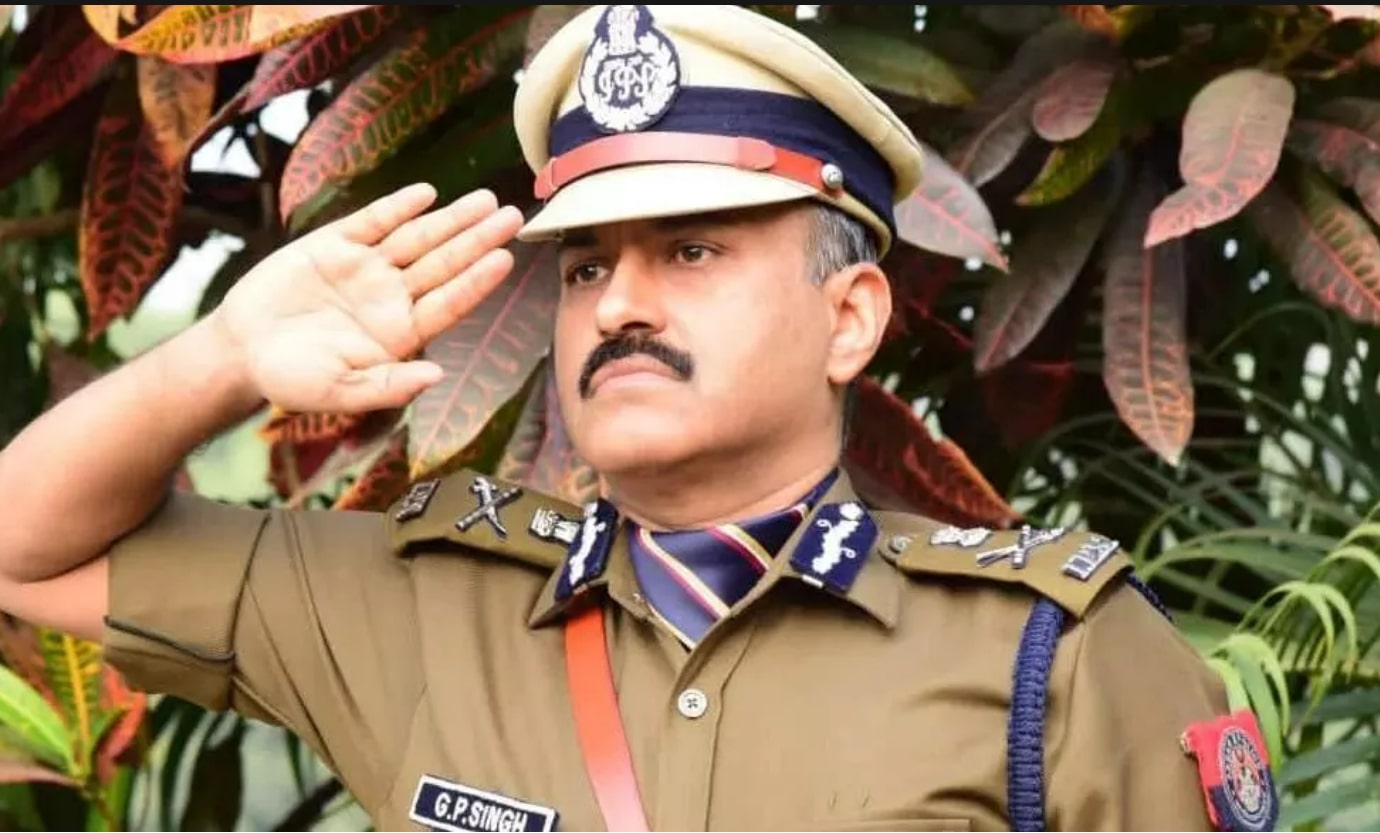
Assam DGP G.P Singh remembers a 25-year-old incident of him facing an encounter-like situation with an insurgent where he survived gunfire from extremists where his BP jacket shielded him from adversarial impact. As Singh sees a potential risk emanating from multiple variables, his approach in the past few weeks suggests he is getting on board with India's first IPS from the northeast and an ace counter-insurgency specialist, Ranjit Moosharay's vision of security. Moosharay's counter-insurgency tactics were based on detection and deterrence. Singh's consistent efforts to sharpen insurgency detection and deterrence capabilities show promising defence of the North East.
Tactical success in counter-insurgency operations in recent days in Assam demonstrates a more than satisfactory picture of Singh's multi-vectored thinking, guided by an operational temperament. Singh stressed not only hard power but also soft power, like awareness and negotiations.
One key aspect of Singh's strategy has been successful negotiations with militant organisations. These have led to the surrender of around 7,200 insurgents and the re-orientation of misguided youths and surrendered militants through the Swavalamban scheme of the Assam government. These achievements provide a clear example of Singh's commitment to a comprehensive counter-insurgency approach, reminiscent of Moosharay's idea of a multi-pronged strategy to defeat insurgency in the region.
G.P Singh's two-year tenure and upcoming months will put him in two different security dynamics where the threat matrix and degree will vary by a decent margin, and normal policing conventional approach and Law and Order books will not suffice. Unconventional and strategic learnings from his past, specifically those from Moosharay, will help him temper his decisions and approach with the right operational quotient, which will benefit the Assam police. It must be realised that a crisis-like situation becomes manageable when a leader's vision and force efforts fall in one straight line. Therefore, Singh must prepare himself to envision an idea that will help him strategically transition between low to high beams of tension, balancing the overall security situation around the region.
There is no denying that for Singh and the whole force, the upcoming months may cause security anxieties, but as Singh says, "Understanding insurgency at its root was a watershed moment in defining strategies for dealing with insurgency a year ago in a panel discussion certainly puts him on the right course for envisioning Mooshray's ideas and fostering a collective security response to a developing security situation in the North East.