
Delhi Police's Security Strategy Needs Proper Alignment With Non-Contact Force
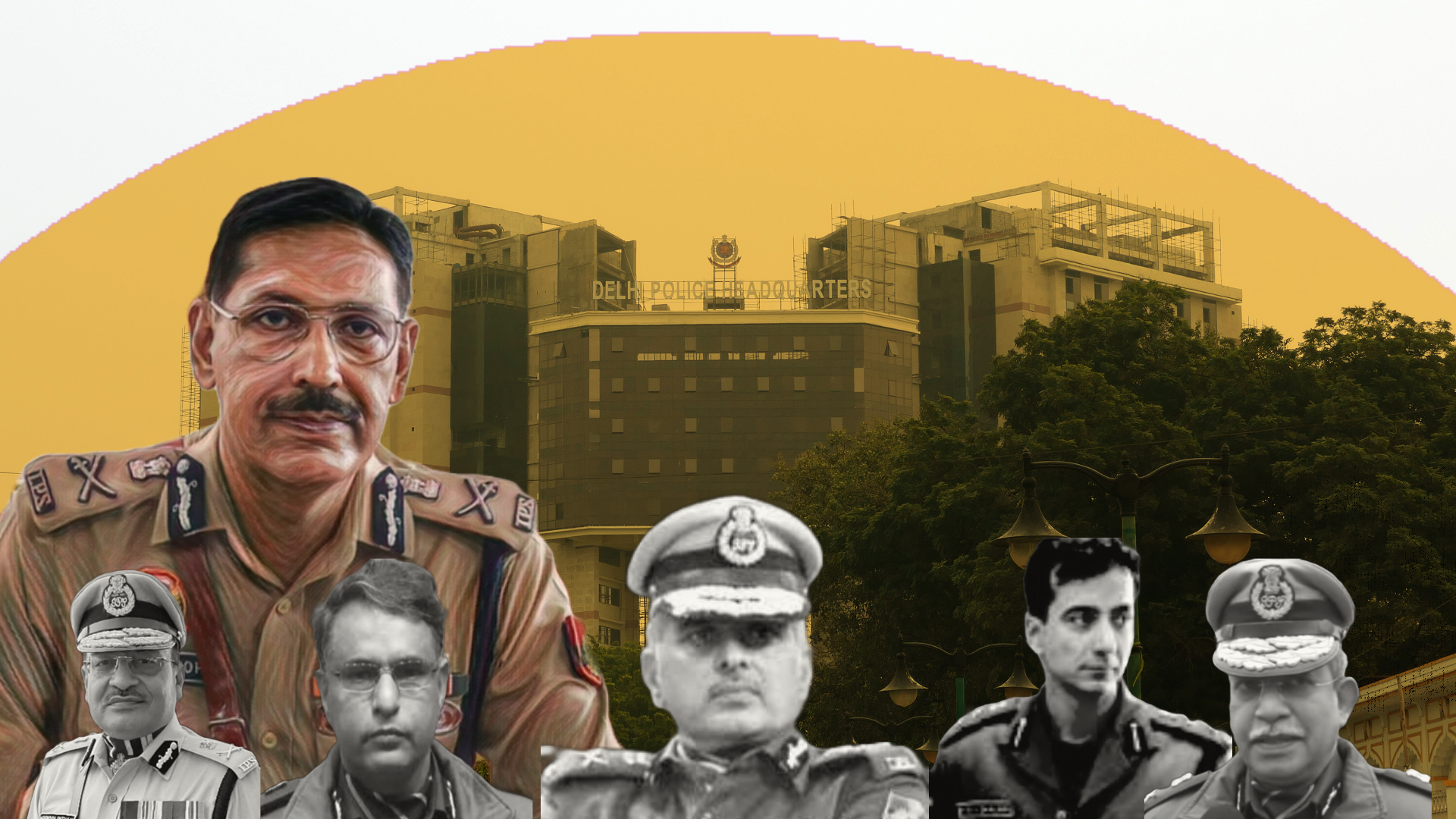
Exactly one month from today, G-20 will hit the doors of the capital; Delhi Police is doing its best to make fixes on structural and operational fronts. It is worth discussing that apart from regular checks and fixes, this time, Delhi Police has to put itself on a different footing in the security landscape. In regular practice, a Conventional security grid is followed, which puts local police at last and primarily focuses on providing inter-agency coordination at ground level. Considering this practice, Delhi Police has always postured its security strategy in a tactical manner where the police is prepared with strong responsive mechanisms (heavy deployment, raids etc.) during crucial events or state head visits. Such tactical strategy stresses more on high deployment with high visibility, but that's not how advanced police or sophisticated policing is done if we look at the police in the US, which hosted National Security Summit in 2016, focused more on strategic security, top sources say. it focuses more on strategic security and strategic deployment rather than placing pickets everywhere and marching in every district like Delhi Police, events such as G-20 require expansive security reach, heavy deployments limit force economy, and execution of operational instructions gets too much light. Even if the conventional practice suggests on-ground security, there are many ways to put ground security in place effectively without making noise and balancing the force's economy(Delhi Police's capacity and distribution). This requires a slight departure from Delhi Police's tactical security strategy to more strategic with proper alignment of non-contact force. This means less presence and high visibility and the capability to take out operations to clean the ground as and when required. Departure from the regular strategy was first hinted last month, Delhi Police Commissioner Sanjay Arora stressed area security with less presence on the ground yet maintaining vigilant eyes over the capital. From a full-fledged contact force, Delhi Police has to re-align to become a partial non-contact force by making strategic deployments, establishing a robust intel grid(inter-agency coordination with IB) involves, threat assessments and increasing cyber reach. Deep syncing with the crowd requires force getting synced into the public to keep a deeper look at crowdy places and important places. Though heavy deployment in some areas is needed, especially on D-day, some deployments must be strategic. As of now, Delhi Police has yet to focus much on strategic security or Non-contact force, which affected the force's capacity to maintain law and order while looking after special arrangements/events. If Delhi Police aligns its security strategy, focusing more on perimeter security, strategic deployments and intelligence gathering. In that case, its reach in the capital's corners will increase. The threat identification and mitigation process will also get streamlined, keeping the undisrupted balance between law and order duties and special duties. The recent safety audit of Special Cell is one indication of following a strategic posture of threat assessments. However, heavy visibility and balance in force deployment still needs to be done.